For many same-sex couples who are looking to start a family, they have to go through an extensive process. There are certain hurdles, however, that can be avoided if you go to the right clinic. NCCRM is happy to help couples and members of the LGBTQ+ community grow...
Donors, Recipients & Surrogates
There are a few types of donor arrangements when you use third-party reproduction technologies, which include known, anonymous, semi-open, or open arrangements. It is important to keep in mind that the arrangement you choose will impact your life as well as your...
Are you in search of egg donors or would you like to become an egg donor? It is helpful to know why donor eggs are the best option for some women and couples as well as why egg donors are important. Keep reading to find out why a recipient may need donor eggs:...
Are you considering becoming a surrogate or selecting a surrogate to carry your child? At NCCRM, we only do gestational surrogacy, but it is important to know the difference between the two. Gestational Surrogacy Gestational surrogacy is indicated when a woman can...
Becoming an egg donor entails more than filling out an egg donor application. Learning about the process prior to applying is important. Here are four questions to ask in order to help determine if you’re ready to start the egg donation process. 1. Do I understand the...
Here is a list of frequently asked questions about egg donation at NCCRM Fertility Clinics in North Carolina. What is egg donation? Egg donation is when a woman (donor) gives her eggs to another woman (recipient) to allow the recipient to have a baby. To donate eggs,...
Donating eggs does not appear to hurt a woman’s chances of becoming pregnant in the years after the procedure, a small study from Belgium found. Few other studies have looked at the effects of egg-harvesting procedures on the future reproductive health of women...
Blog Categories
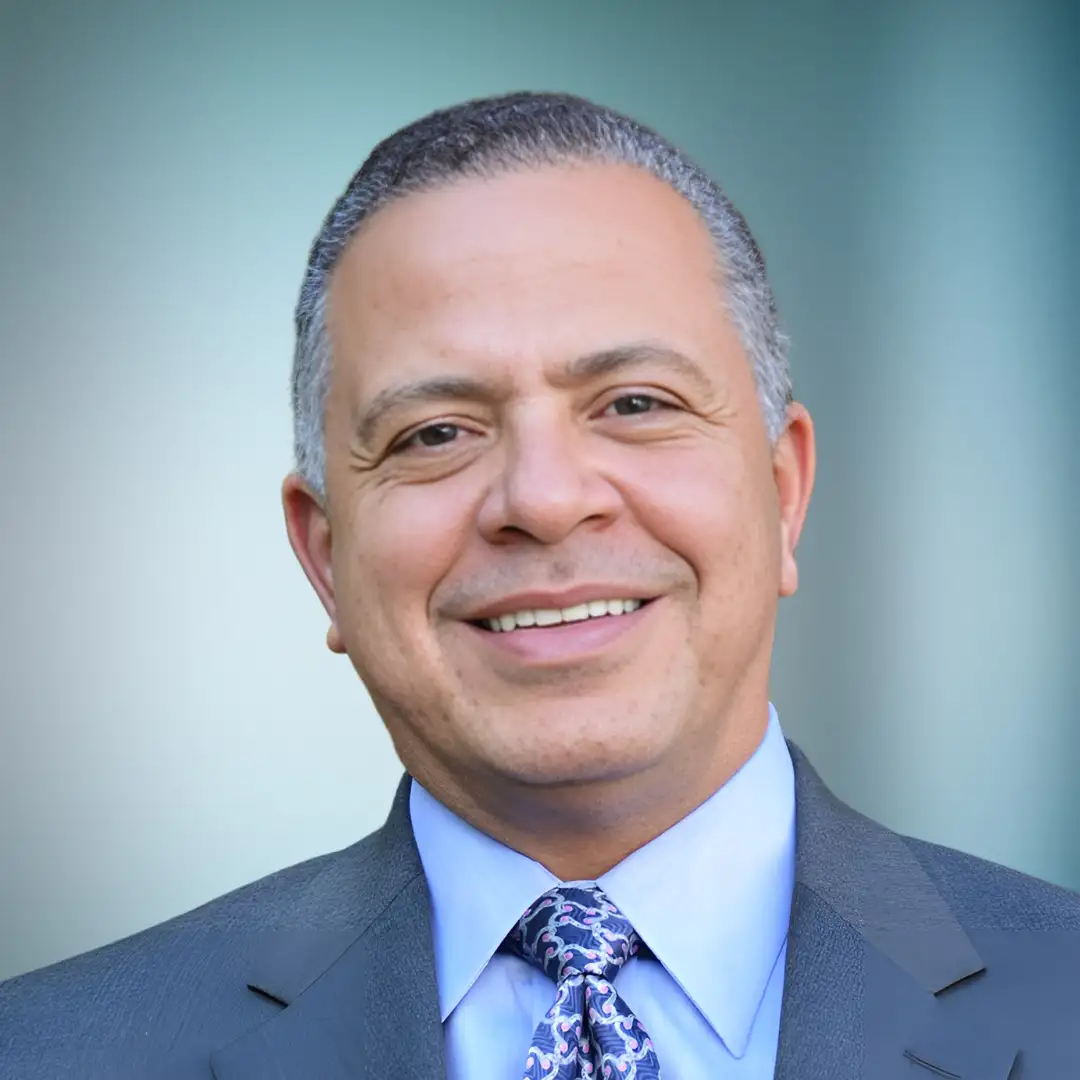
Dr. Sameh K. Toma, M.D.
Medical Director
Dr. Sameh K. Toma, M.D., F.A.C.O.G. is the Medical Director at the North Carolina Center for Reproductive Medicine (NCCRM), bringing over 30 years of specialized experience in reproductive medicine to patients in the Raleigh area. After earning his Bachelor of Science in Electrical Engineering from North Carolina State University, he completed his medical degree and residency at the University of North Carolina at Chapel Hill School of Medicine.